
Do-it-yourself FAQs
Planning a concrete project at home? Here are answers to common DIY questions about ready-mix delivery, mix selection, truck access, cracking, curing, and project prep.
-
Concrete is usually ordered by the cubic yard. To estimate how much you need, measure the length, width, and thickness of the area you are pouring. If you are unsure, have your project dimensions ready before you request a quote so you can get a more accurate estimate and avoid ordering too little or too much concrete.
-
The right mix depends on the type of project and how the concrete will be placed. Some jobs use standard stone or gravel mixes, while others may require pea gravel or a mix designed for pumping. If you are not sure which mix is right for your patio, walkway, slab, footing, or driveway, it is best to discuss the project details before ordering.
-
The right PSI depends on the job. Walkways, patios, and some non-load-bearing projects may use lower-strength concrete, while driveways, slabs, and heavier-use surfaces often need a stronger mix. Local building codes may also apply, so make sure you know your project requirements before delivery.
-
If the truck can safely get close enough to the pour area, it may be able to discharge directly into your forms using the chute. This is often the fastest and easiest option. Access, clearance, grade, and site layout all matter, so it helps to think through the truck path before delivery day.
-
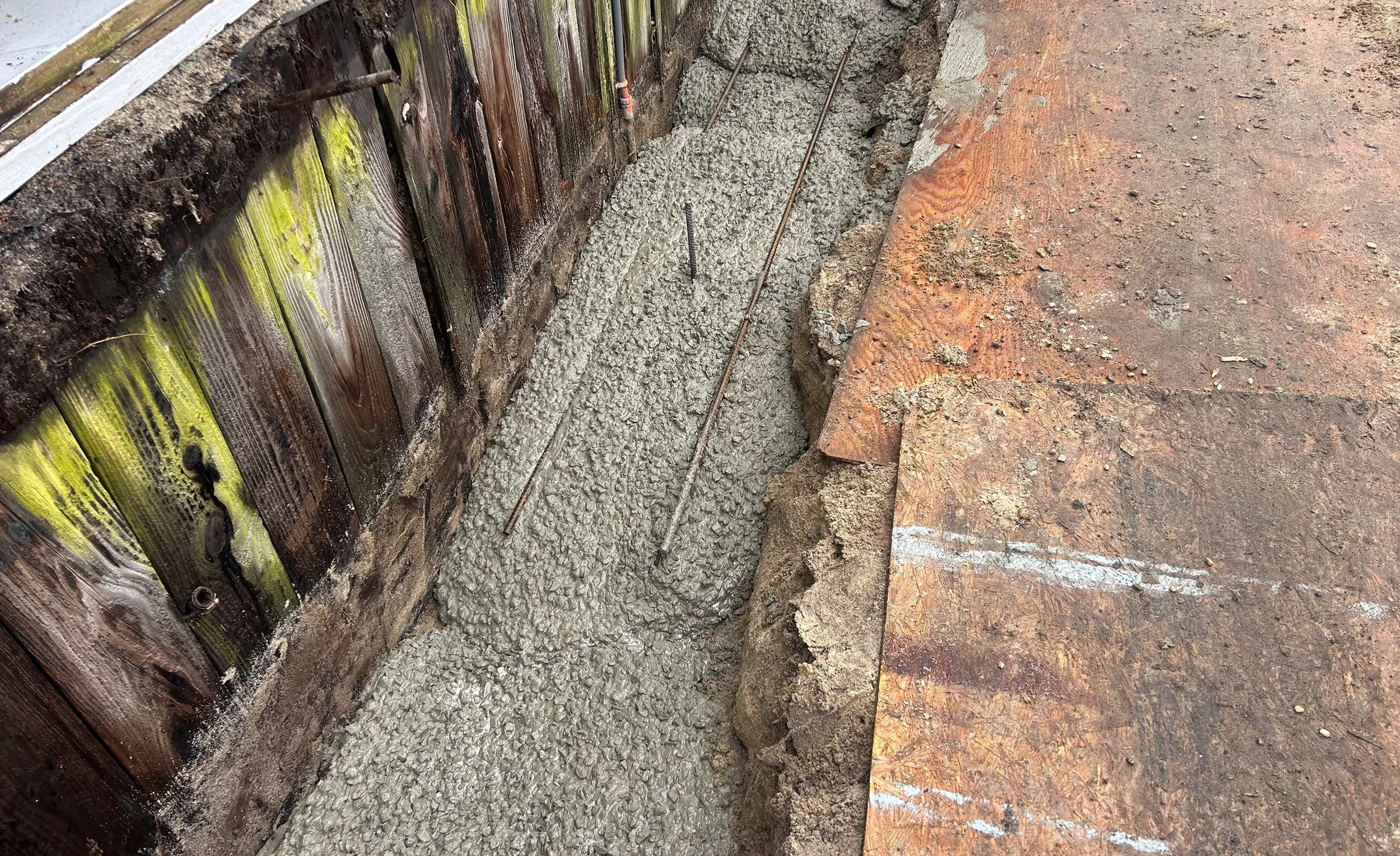
You may need a pump when the truck cannot get close enough to the pour area, when the pour is far from the access point, or when elevation and layout make chute placement impractical. For some smaller DIY projects, wheelbarrows may be enough. For tighter or more difficult access, a pump may make the job much easier.
-
Yes, but only if the distance is manageable and you have enough help on site. Concrete is heavy and needs to be placed quickly, so wheelbarrowing can slow the job down if the pour area is too far from the truck. If you plan to wheelbarrow, make sure you have the labor and equipment ready before delivery.
-
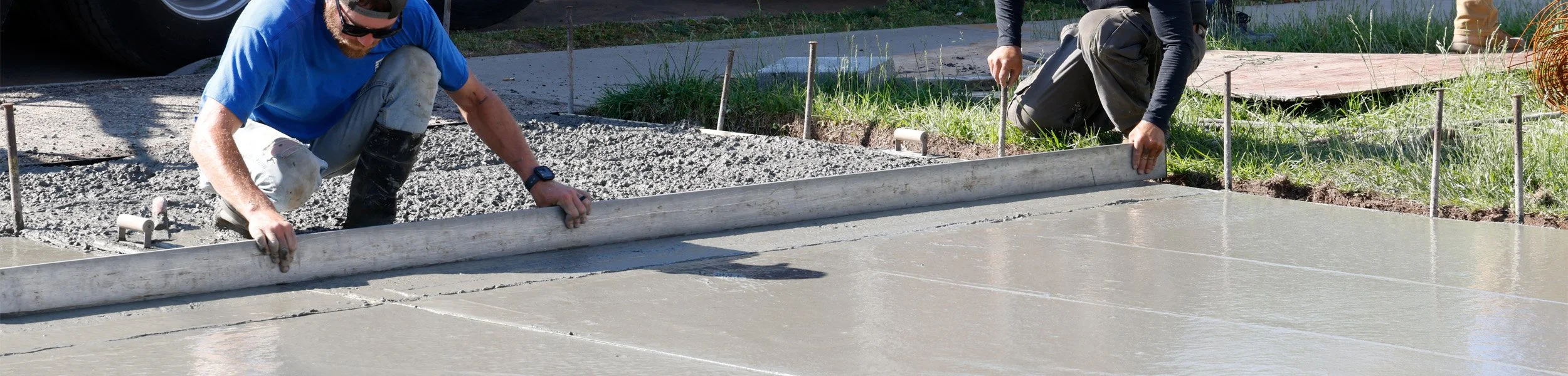
Before delivery, your forms, base, reinforcement, tools, and finishing plan should already be in place. Make sure the site is accessible, the path for the truck is clear, and your crew is ready to place and finish the concrete as soon as it arrives. Good preparation helps the job move faster and reduces delays and standing time.
-
Concrete can crack as it cures, but good planning helps reduce the risk. Proper subgrade preparation, reinforcement when appropriate, correct joint placement, good curing practices, and avoiding unnecessary water on site all make a difference. Weather also matters, especially wind, heat, and low humidity during finishing.
-
Adding too much water can weaken the concrete and affect the finish. If workability is a concern, it is better to discuss the right mix design before the pour rather than trying to correct it on site. Ordering the right mix from the start helps you get better performance and a more consistent result.
-
Fresh concrete needs proper curing to help it gain strength and protect the surface. After finishing, concrete should be kept from drying out too quickly. Depending on the job, curing may involve a curing compound, moisture retention, or other protection methods. Good curing is one of the most important steps in getting a durable finished product.
Need ready-mix concrete for your project?
Request a quote for delivery in Union and Middlesex Counties.